


If you’ve ever wanted a citrus tree that looks exotic, smells incredible, and produces uniquely bronzed fruit, Chocolate Navel orange is just the plant you need.
Chocolate Navel Orange Care
Citrus sinensis 'Navel Chocolat'
Other names: Chocolate orange, Black Navel orange, Negra Navel
What is the plant
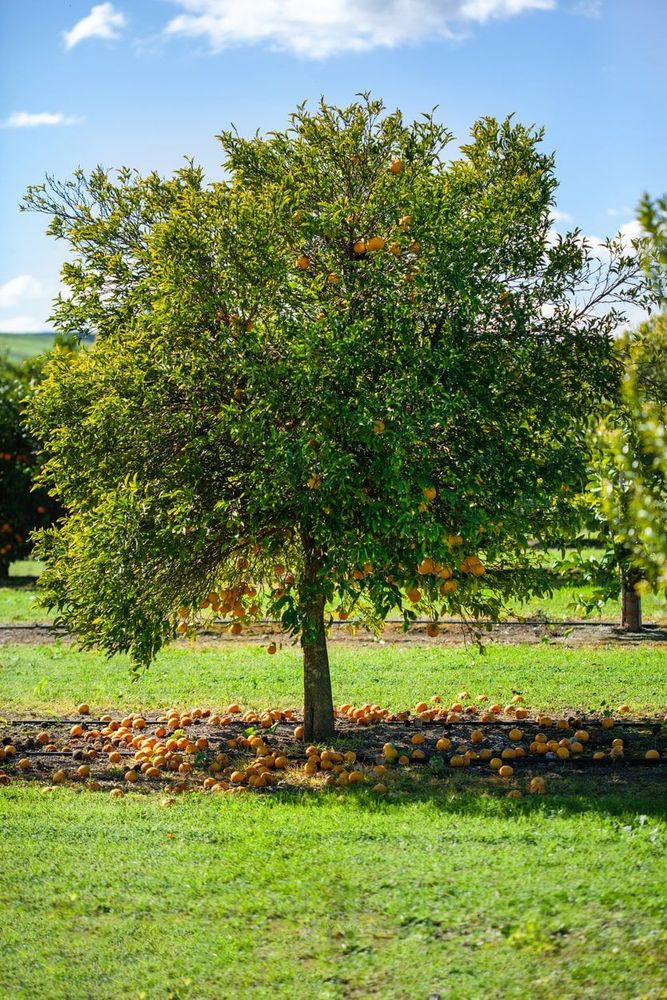
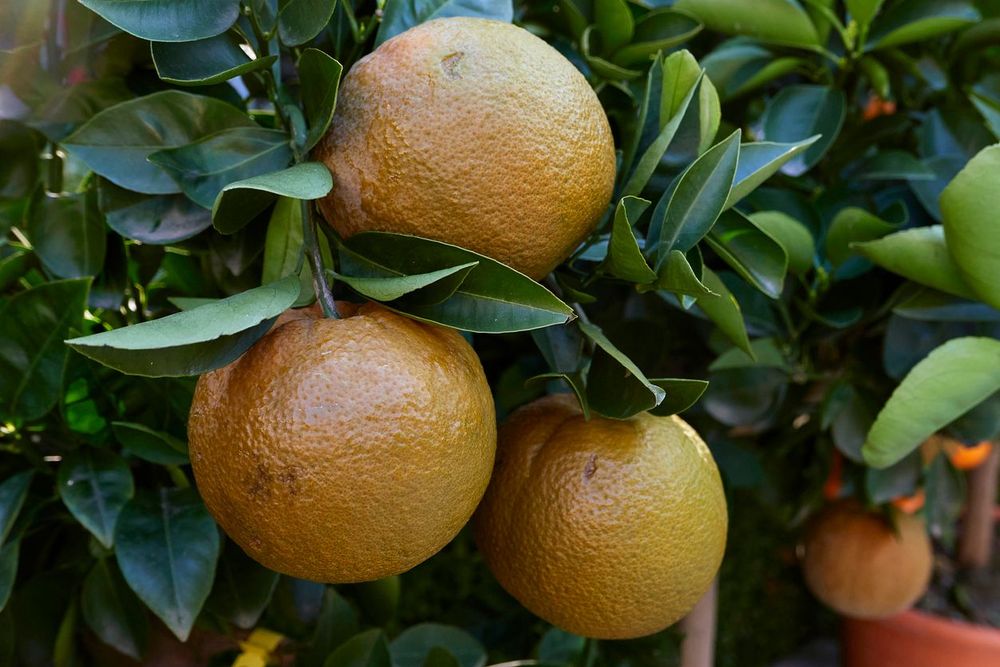
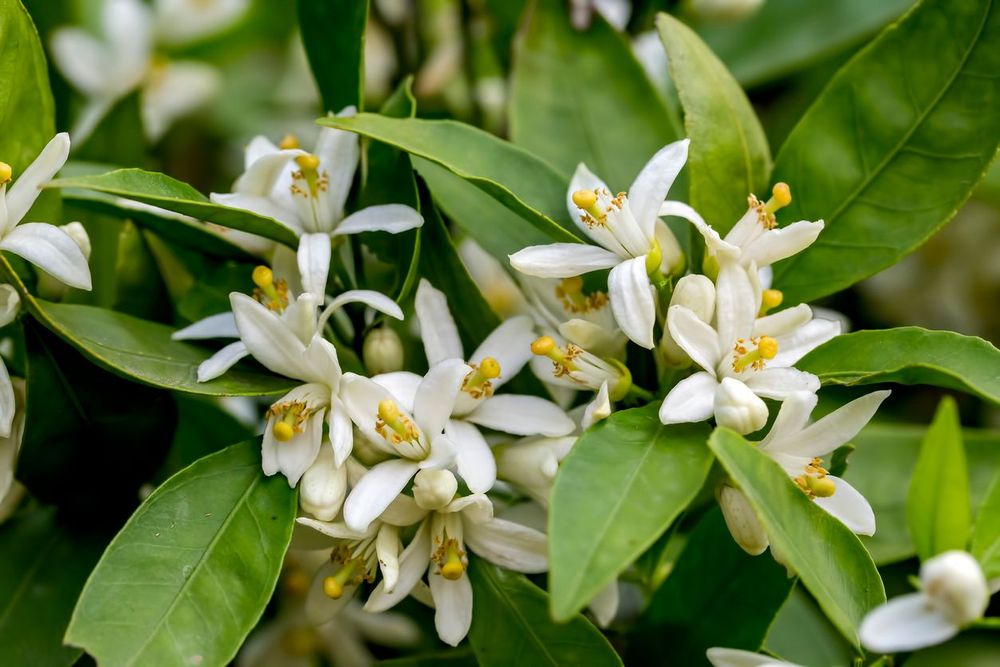
This unusual citrus originated in Valencia, Spain, where a natural mutation was discovered in 2006. It's known for its unusual chocolate-tinted rind—hence the name. It's a small, evergreen tree with glossy, deep-green leaves (3–6 in / 7–15 cm long), slender branches, and fragrant white blossoms that appear in late winter to early spring. After flowering, the fruit develops and typically ripens in late fall to early winter.
The inside is still classic bright-orange navel flesh, but sweeter and less acidic than regular oranges. It averages around 12 Brix, giving it a noticeably richer, smoother flavor. Fruit is typically 3–4 in (7–10 cm) across and ripens from December through January or February.

humidity
Normal

lighting
Full Sun

hardiness zone
11 - 9

hibernation
Warm Period
How to Care for the Plant

Water

Water when the top 2–3 in (5–7 cm) of soil dries out.
- Spring/Summer: Every 5–7 days indoors; more often in outdoor heat.
- Fall/Winter: Slow down to every 10–14 days. Citrus roots rot easily when cold and wet.

Pruning
Prune lightly in late winter to remove weak or crossing branches and to maintain shape. Remove rootstock suckers immediately if they show up.

Fertilizer
Feed every 3–4 weeks in spring and summer with a citrus fertilizer high in nitrogen and trace minerals like iron and magnesium. Pause feeding in fall and winter.


Ease your plant care routine with PlantIn's personalized system.

Sunlight
The Chocolate Navel Orange thrives in full sun, ideally 6–8 hours daily. Indoors, place it in a south- or west-facing window or supplement with a grow light.

Soil
Use a fast-draining citrus mix or make your own:
- 50% high-quality potting soil
- 25% perlite or pumice
- 25% pine bark fines
Ideal pH: 6.0–7.0.
Outdoors, amend garden soil with compost and sand for drainage; indoors, use citrus-specific mixes.

Propagation
Use semi-hardwood cuttings in late spring or early summer:
- Take a 6–8 in (15–20 cm) cutting.
- Remove lower leaves.
- Dip the stem in rooting hormone.
- Plant in an airy mix and provide humidity.
Ease your plant care routine with PlantIn's personalized system.

Temperature
The Chocolate Navel Orange likes 60–85°F (15–29°C) and grows best in USDA zones 9–11.
- Summer: Warm days and mild nights encourage growth.
- Winter: Keep above 40°F (4°C). Indoors near a cool, sunny window works well.

Container
If growing indoors, go for a pot that’s 14–20 in (35–50 cm) wide with excellent drainage. Terra cotta is ideal because it breathes. Outdoors, a 10–15 gal (38–57 L) container works great.
Repot every 2–3 years in early spring, bumping the pot size up by 2–4 in (5–10 cm) each time.

Fun fact
Its quite rare! As of 2021, only three growers in Spain produced it, which also makes the fruit pricier in markets.
What's wrong with your plant?


Related Plants
Discover more plants with the list below




Popular articles


Want more articles?